Put an end to unnecessary pain
There is no reason to wake up on the morning feeling anything less than 100%, let us get you there.



Rest is a useful first step after a sports injury, but it is not a complete recovery plan. When pain, stiffness, or altered movement persists beyond a few days, or returns every time you resume activity, guided sports injury rehabilitation helps your body address what rest alone cannot. Getting assessed early gives you a clearer picture of what your body needs and a realistic path back to the activities you care about.
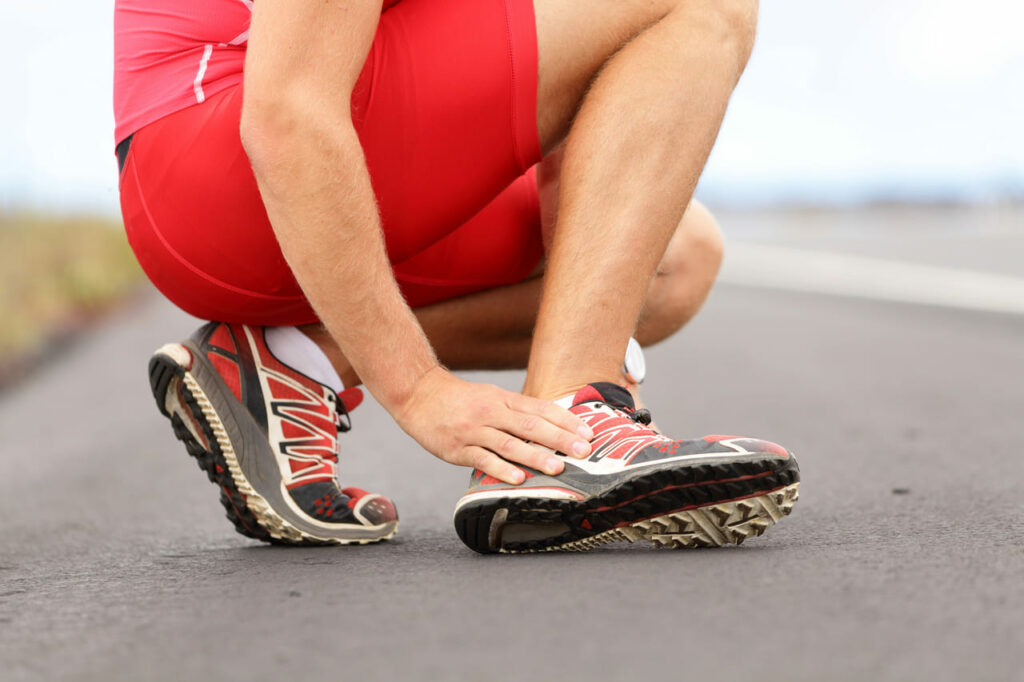
You push through a training session, take an awkward step on the field, or land wrong during a weekend game. Something feels off. You figure a few days of rest will sort it out. A week passes, then two, and the pain is still there. Maybe it has moved. Maybe a new area is now tight. Maybe you have been moving differently without fully noticing.
This is one of the most common patterns seen in sports injury recovery, and it happens across all ages and activity levels. Whether you are a competitive teen athlete, a recreational runner, a weekend hockey player, or an older adult staying active, the instinct to wait it out is understandable. But lingering pain, stiffness, or changes in how you move often signal that rest has done what it can and your body needs something more structured.
This post covers why athletes tend to delay care, what happens in the body when recovery stalls, how compensation patterns and tissue healing affect movement, and how to recognize when it is time to get help for a sports injury.
The hesitation to seek care is real, and it makes sense. You do not want to miss training, sit out a game, fall behind in a sport you love, or disrupt a gym routine that took months to build. When pain is mild or comes and goes, it is easy to tell yourself it is not serious enough to warrant attention.
Delayed sports injury recovery often starts here. The pain eases with rest, so the injury feels manageable. Then you return to activity, and it flares again. The cycle continues. Over time, the body adapts around the discomfort in ways that add new layers to the original problem.
According to the National Institute of Arthritis and Musculoskeletal and Skin Diseases, many sports injuries go untreated because people underestimate them or assume they will resolve on their own. For minor strains, that is sometimes true. But when pain keeps returning, or movement keeps feeling restricted, your body is communicating that something still needs attention.
If your body keeps reminding you something is off, it is worth listening before the issue becomes more limiting.
Rest has a legitimate role in the early stage of a sports injury. Reducing load on an irritated or swollen area gives the body a chance to begin its natural repair process. Avoiding movements that clearly worsen symptoms is sensible and protective.
But there is a meaningful difference between relative rest and complete avoidance. Relative rest means scaling back the activities that aggravate the injury while keeping the body gently moving. Complete rest for a prolonged period often leads to its own set of problems: stiffness in the surrounding joints, loss of strength in supporting muscles, reduced coordination, and lower confidence in the injured area when you do eventually return to activity.
According to MedlinePlus, safe and graded movement is typically part of a well-managed recovery plan. The appropriate amount depends on the injury type, your age, your sport, your pain level, and your overall health. There is no universal formula, which is exactly why individualized guidance makes a difference.
Rest is one phase of recovery. It is not the whole plan.
This is something many people notice and find confusing. You hurt your ankle, and now your knee feels tight. A shoulder injury starts affecting how you sleep, lift, or reach. Your back aches in a way it never did before the original incident.
These are compensation patterns, and they are your body’s way of protecting a painful or vulnerable area by redistributing load elsewhere. It is an automatic process, not something you choose consciously. In the short term, it helps you keep moving. Over time, the areas absorbing that extra load can develop their own tension, weakness, or irritation.
Common signs of compensation after a sports injury include:
People often search for sports injury treatment when the injury has begun affecting more than one area of the body. That is not a sign that something has gone seriously wrong. It is a signal that the body has been working hard to manage around the problem and would benefit from a structured approach that addresses the full picture.
Compensation is your body trying to help. With time, it makes recovery feel more complicated without guidance.
Scar tissue is a term patients use to describe persistent stiffness, thickening, or restriction after an injury. The underlying process is tissue remodelling: when soft tissue is injured, the body lays down repair material as part of healing. Movement, progressive loading, and time all influence how well that repaired tissue tolerates activity again.
The goal is not simply to feel less pain at rest. It is to help the area regain the capacity to move, absorb load, and function through the demands of your sport or daily life. That process involves more than waiting.
Signs that tissue recovery may not be progressing well include:
When rest, stretching, and basic exercise have not moved things forward, other approaches warrant consideration. Shockwave therapy is one option that supports tissue healing in appropriate conditions. Acoustic waves delivered externally stimulate biological activity in injured or irritated tissue, promote circulation in areas with slower healing, and address chronic tissue thickening or calcific deposits where present. It is non-invasive and does not require medication or surgery. When combined with progressive strengthening, mobility work, and sport-specific rehabilitation, it forms part of a structured plan for athletes whose recovery has stalled despite conventional care.
The aim is not just pain reduction at rest. It is helping your body tolerate the activities that matter to you.
Getting assessed does not mean something is seriously wrong. It means you want to understand what your body needs next rather than keep guessing.
The following signs suggest booking a physiotherapy assessment is a reasonable next step:
Some situations call for more urgent attention. Seek immediate care for severe pain, visible deformity, inability to bear weight, numbness or tingling, significant swelling, a suspected fracture, a head injury, or any symptoms that feel medically concerning.
Children and teens deserve particular mention. Growing bodies respond differently to injury, and growth plate involvement is a real consideration in younger athletes. Older adults and competitive athletes also benefit from earlier guidance because the consequences of prolonged compensation or tissue deconditioning tend to compound. The Physiopedia framework for return to sport underlines why structured, stage-based rehabilitation matters across all age groups.
A physiotherapy assessment begins with understanding you: how the injury happened, what has changed since, what activities matter to you, and what you are hoping to get back to. From there, the assessment looks at movement quality, strength, balance, mobility, and any factors that contributed to the injury or are now affecting recovery.
A rehabilitation plan shaped around your situation and goals typically includes some combination of the following:
| Component | What It Addresses |
| Education and activity modification | Understanding what aggravates the injury and how to stay active safely while it heals |
| Hands-on therapy | Manual techniques to support mobility, reduce tension, and improve movement quality where appropriate |
| Mobility and strengthening exercises | Restoring range of motion and rebuilding the strength that supports the injured area |
| Balance and movement control | Retraining coordination and body awareness, particularly around the injured joint |
| Gradual return-to-sport planning | A structured progression back to the specific demands of your sport or activity |
| Home exercise program | Exercises that keep you active and engaged in recovery between appointments |
Throughout this process, the approach at Revitalize is to work with your body, not against it. Recovery is not about pushing through pain or forcing a timeline. It is about helping you rebuild trust in your movement so that returning to sport feels earned and sustainable.
If a sports injury has been lingering longer than expected, you do not have to keep waiting and wondering whether rest will eventually be enough. Revitalize Physiotherapy and Sports Clinic in Surrey serves athletes and active individuals across the Lower Mainland, from young players in organized sport to adults who want to stay active well into their later years.
A physiotherapy assessment gives you a clearer picture of what is contributing to your pain, stiffness, or delayed recovery, and a plan that fits your body, your goals, and the activities you want to return to. When you are ready to feel more like yourself again, we are here to help.
Many minor injuries improve with a short period of relative rest, typically a few days. If pain, swelling, stiffness, weakness, limping, or restricted movement persists beyond that, or returns when you resume activity, booking an assessment is a sensible next step rather than continuing to wait.
Mild discomfort is not always a reason to stop completely, but pain that changes how you move, worsens during activity, or lingers afterward needs attention. A physiotherapist can help you understand what level of activity is appropriate for your specific injury and stage of recovery.
Delaying care gives stiffness, weakness, and compensation patterns more time to develop and become habitual. Recovery is still possible, but addressing these added layers takes longer and often feels more frustrating than it would have with earlier guidance.