Put an end to unnecessary pain
There is no reason to wake up on the morning feeling anything less than 100%, let us get you there.



Children who appear flexible are not automatically ready for the physical demands of a new sports season. Starting basic conditioning 3 to 6 weeks before the first practice, including strength, balance, and gradual endurance work, gives young bodies time to adapt and lowers the likelihood of early-season injuries. If your child develops recurring pain, limps, or starts moving differently, a physiotherapy assessment can help identify what their body needs before a small issue becomes a bigger one.
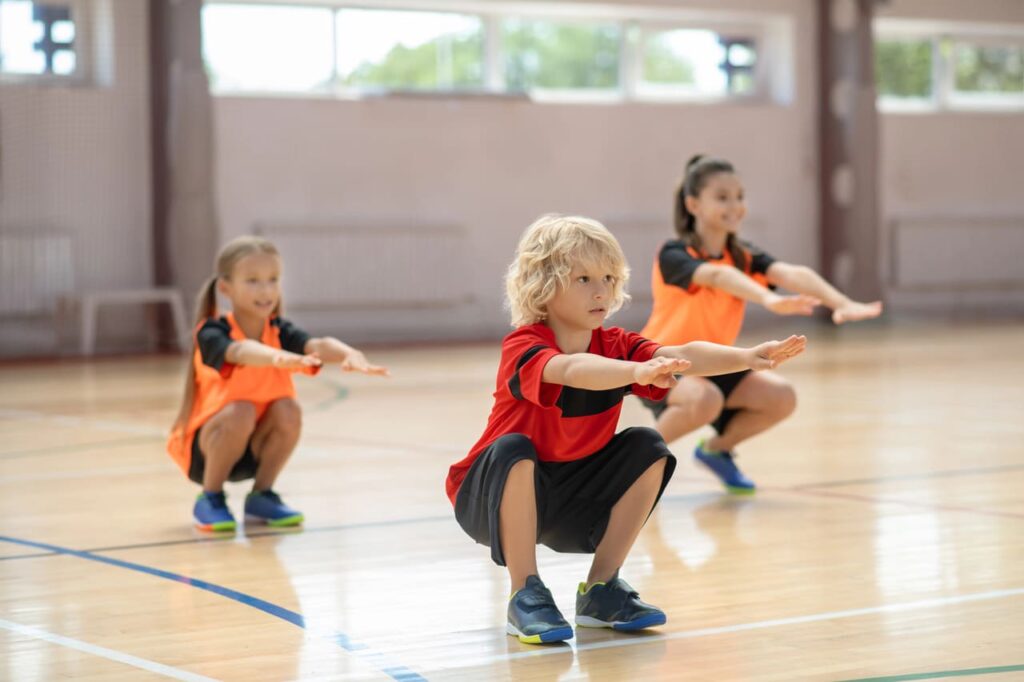
The season starts in two weeks. Your child has been running around all summer, seems loose and energetic, and is genuinely excited to get back on the ice, field, or in the pool. Everything looks fine. Then, ten days into practices and drills, they come home limping. Their knee hurts. Their heel is sore. They do not want to go to practice tomorrow.
This situation is more common than most parents expect, and it rarely comes out of nowhere. The gap between “active kid” and “ready for sport season” is real, and understanding it is one of the most practical things you can do for your child right now.
This guide covers why flexibility alone does not equal readiness, what the first weeks of a season actually put on a young body, and how you can help your child build toward the season without overloading them before it even begins.
Children often move freely and bend easily, which leads many parents to assume their body is prepared for sport. Flexibility is one piece of physical readiness, but it is not the full picture.
Sports readiness also depends on strength, coordination, balance, endurance, and the body’s ability to control movement under load and fatigue. A child who can fold in half during a stretch does not necessarily have the hip stability to cut sideways on a soccer field, the shoulder control to throw repeatedly in baseball, or the ankle strength to absorb landings in skating or gymnastics.
There is also a developmental layer worth knowing. Growth spurts temporarily change how bones, muscles, and tendons relate to each other. A child who moved confidently at the end of last season might have grown several centimeters since then. That growth affects coordination, balance, and how familiar movements actually feel. Research published in the National Institutes of Health highlights that youth sports injuries often relate to rapid growth and inadequate preparation rather than freak accidents or bad luck.
Youth sports injury prevention begins before the first game, not after the first missed one. Recognizing this early gives your child a real advantage.
The start of a sports season often means a sharp jump in activity. After weeks or months of lighter summer movement, children are suddenly attending multiple practices per week, playing weekend games, running drills, and possibly competing in tournaments. That accumulation is significant.
In physiotherapy, this is often described in terms of load: how often, how hard, and how long the body is working. When load increases faster than the body can adapt, tissues get irritated. Muscles fatigue. Tendons, still developing in young athletes, come under stress they have not had time to prepare for.
Common early-season complaints include:
Not every ache is a red flag. Some muscle soreness after new activity is normal. But pain that causes limping, swelling, sharp discomfort, or a change in how your child moves should not be pushed through. It is worth paying attention to.
Helping your child prepare does not require a formal training program or hours of work each week. The goal is to gradually build the physical qualities sport demands, before the season asks for them all at once.
Here is a practical starting point for kids sports conditioning before the season begins:
| Area | What to Include |
| Basic Strength | Squats, lunges, calf raises, bridges, and modified push-ups appropriate to age |
| Balance and Control | Single-leg standing, soft landings from small hops, side-to-side movements |
| Mobility | Comfortable movement through ankles, hips, spine, and shoulders |
| Endurance | Gradual increases in running, skating, swimming, or sport-specific movement |
| Recovery Habits | Consistent sleep, hydration, nutrition, and scheduled rest days |
The Mayo Clinic notes that strength training for children is safe when it is supervised, technique-focused, and age-appropriate. The emphasis should be on good form and body control, not weight or intensity. Your role as a parent here is to be a supportive guide, not a trainer pushing for more reps.
A warm-up prepares the body to move, not just stretch. Sports warm-up exercises for kids work best when they raise body temperature, wake up the neuromuscular system, and mirror the movements the sport requires.
A simple, repeatable warm-up flow might look like this:
Long static stretching held before explosive activity is less effective on its own as a warm-up, particularly before sports that require sprinting, jumping, or quick direction changes. Dynamic movement is more appropriate for getting young bodies ready to perform.
Keep warm-ups short, around 8 to 12 minutes, and consistent enough that your child builds the habit of doing them before every practice or game.
Gradual progression is one of the most effective tools for preventing sports injuries in children. Instead of moving from low summer activity directly into full competition, aim to step up intensity, duration, and frequency over several weeks.
When possible, start conditioning 3 to 6 weeks before the season opens. Even 10 to 15 minutes of sport-relevant movement a few times per week is enough to begin building readiness. Research from the National Institutes of Health supports the value of pre-season conditioning in reducing early-season injury rates in young athletes.
Variety also matters. Children who move in different ways across different activities tend to develop broader physical foundations than those who repeat the same sport motion year-round. Encouraging cross-training, free play, or different physical activities in the off-season builds well-rounded physical literacy.
As the season progresses, watch for these signs that your child’s body may need more recovery time:
Noticing these signals early keeps small issues from becoming season-ending ones.
You do not need to wait for a serious injury before reaching out. A physiotherapy assessment is useful any time you want a clearer picture of what your child’s body needs to participate safely and comfortably.
Consider booking an assessment if your child experiences:
A physiotherapist looks at movement patterns, strength, balance, mobility, and the specific demands of your child’s sport. At our clinic in Surrey, we work with young athletes across a wide range of sports including hockey, soccer, baseball, and swimming. The ages vary widely, and so do the needs. What matters is understanding what each child’s body is being asked to do, and helping them build toward it safely.
Our active rehabilitation program is one option that supports young athletes in rebuilding strength and movement confidence after injury or during a return to sport.
If your child is heading into a new season, returning after time off, or already dealing with early aches that are not settling, the team at Revitalize Physiotherapy and Sports Clinic in Surrey is here to help. We work with young athletes across hockey, soccer, baseball, swimming, and more, assessing movement, strength, flexibility, and sport-specific demands to build a plan that fits your child’s age, sport, and goals.
Book an assessment and help your child feel strong, prepared, and ready to do the things they love.
Ideally, begin 3 to 6 weeks before the season with gradual, age-appropriate activity. Even 10 to 15 minutes a few times per week builds routine and physical readiness without overloading young muscles and tendons before the season starts.
Strength training is safe for children when it is supervised, technique-focused, and appropriate for their age and stage of development. The priority should be control, form, and body awareness rather than heavy loads or adult-style training progressions.
Mild muscle soreness after new activity is normal and usually settles within a day or two. Pain that causes limping, swelling, sharp discomfort, or a change in how your child moves is a different signal. If symptoms persist or keep coming back, a physiotherapy assessment is a sensible next step.