Put an end to unnecessary pain
There is no reason to wake up on the morning feeling anything less than 100%, let us get you there.



An ACL injury is serious, but it does not automatically end a young athlete’s sport journey. Modern rehabilitation guides athletes through structured phases of recovery, from restoring knee motion to rebuilding strength and sport-specific readiness. Return to sport is a criteria-based decision, not a fixed date on a calendar.
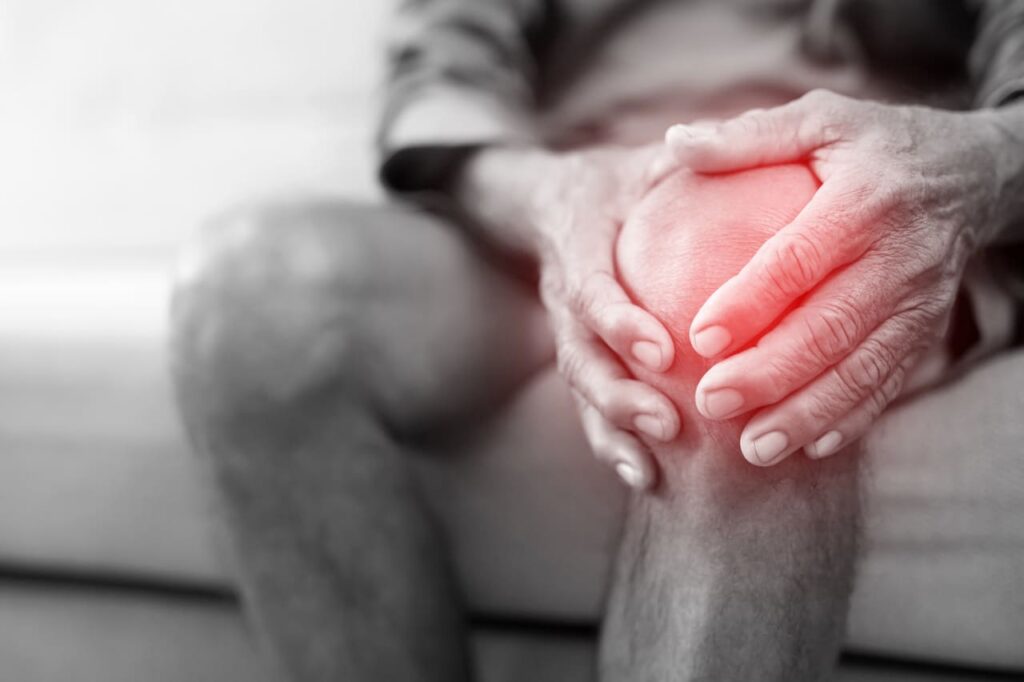
The moment a young athlete hears “ACL tear,” the fear that follows is immediate and real. Will I miss the whole season? Will I ever play again? For parents watching from the sidelines, those questions feel just as urgent. It is a difficult moment, and the uncertainty that comes with it deserves a clear, honest answer.
The short answer is this: ACL injuries in young athletes are serious, and recovery takes time and commitment. What has changed significantly is what that recovery now involves and what athletes are often able to work toward with structured, progressive rehabilitation.
This post walks through what ACL injuries involve for young athletes, what post-surgery rehab looks like in practice, why the recovery timeline is not one-size-fits-all, how return-to-sport decisions get made, and why prevention training remains relevant long after recovery. The goal is to give athletes, parents, and coaches a clearer picture of the road ahead.
The emotional weight of an ACL injury goes well beyond the physical. For a young athlete, sport is often tied to identity, social connection, school commitments, and future goals. Missing training, sitting out games, and watching teammates progress can feel isolating in ways that are hard to put into words.
ACL injuries are common in sports that involve cutting, pivoting, jumping, sudden direction changes, and deceleration. Soccer, basketball, football, volleyball, and skiing all carry meaningful ACL injury risk, particularly for younger athletes whose movement patterns are still developing.
Understanding this upfront matters because the goal of rehabilitation is not simply to get through a checklist of exercises. It is to rebuild strength, movement control, trust in the knee, and readiness for the specific demands of the athlete’s sport. That process is real, and it takes honest engagement from the athlete, their family, and their care team.
Recovery looks different for every person. Framing it as a guided process rather than a predetermined outcome keeps both expectations and motivation grounded in what is actually achievable.
ACL reconstruction surgery is followed by a structured rehabilitation process. The surgery addresses the torn ligament, but the work of rebuilding function begins in the weeks and months that follow.
In the early period after surgery, the focus is on managing swelling, restoring knee range of motion, improving walking mechanics, and reactivating muscles that have been inhibited by pain and the surgical process itself. Progress in this phase feels slow, and that is normal. Early milestones, like achieving full knee extension or walking without a significant limp, are genuinely important foundations for everything that follows.
The care team during this process typically includes the surgeon, a physiotherapist, and the athlete’s family. Coaches are sometimes involved when sport-specific context is useful. The athlete’s own consistency with their rehabilitation work plays a significant role in how the process unfolds.
It is worth noting that some ACL injuries occur alongside damage to other knee structures, such as the meniscus or collateral ligaments. When that is the case, the rehabilitation plan and timeline are shaped accordingly, and communication with the surgical team becomes especially important.
Rather than thinking in terms of a single end date, it helps to understand recovery as a progression through distinct phases, each with its own goals and criteria before moving forward.
| Phase | Primary Focus |
| Early Phase | Reducing swelling, restoring knee motion, improving walking mechanics, reactivating key muscles |
| Strength Phase | Rebuilding quadriceps, hamstrings, hips, calves, balance, and single-leg control |
| Running and Agility Phase | Gradual return to impact, direction changes, deceleration, and landing mechanics |
| Sport-Specific Phase | Controlled drills that reflect the athlete’s sport demands |
| Return-to-Sport Phase | Readiness testing, strength assessment, movement quality review, medical clearance |
The post-surgery ACL recovery timeline varies depending on the complexity of the injury, surgery type, how the athlete responds to each phase, and the physical demands of their sport. Many athletes work through this process over the course of several months, but the timeline should be driven by where the athlete actually is, not by a date on the calendar.
ACL injury rehab for young athletes today is progressive, measured, and built around the individual. It is not a passive process.
Physiotherapy-guided ACL rehabilitation includes strength testing to track where deficits exist, movement observation to identify compensations, balance and coordination work, and a gradual, structured return to the jumping and landing mechanics that sport demands. Each step forward is earned by meeting criteria in the previous one.
One area that deserves particular attention is neuromuscular training. This refers to exercises that help the brain and body coordinate movement patterns that are both stronger and safer, specifically in the kinds of rapid, reactive situations that sport creates. Building this kind of control takes time, but it is a meaningful part of reducing the risk of re-injury.
There is also a psychological dimension that well-designed rehabilitation addresses directly. Fear of re-injury is a normal response after an ACL tear, and it is common for athletes to feel hesitant about trusting the knee even when physical recovery is progressing well. Good rehabilitation helps athletes rebuild that trust gradually, through exposure and repetition in controlled settings before returning to full sport.
Some athletes at Revitalize Physiotherapy and Sports Clinic are supported with Laser Therapy (LLLT), which uses low-level light energy to support tissue healing and manage inflammation during recovery. This is one example of how the clinic approaches rehabilitation with a range of tools matched to the individual’s needs.
Return to sport after ACL reconstruction is a decision, shaped by evidence of physical and psychological readiness, not simply the passage of time.
A common frustration in ACL recovery is the assumption that reaching a specific number of months post-surgery means an athlete is ready to play. In practice, readiness depends on a combination of factors: symmetry in strength between both legs, quality of knee control during jumping and cutting movements, how the knee responds to loading, sport-specific tolerance, endurance, and the athlete’s own confidence.
This decision works best when the athlete, their parents, their physiotherapist, the surgeon, and where appropriate the coach are all part of the conversation. Returning before the body is ready increases re-injury risk. Returning when the athlete has genuinely met the criteria gives them a stronger foundation to build on.
No outcome is guaranteed. Every recovery is individual, and honest communication throughout the process is what makes the decision meaningful.
ACL injury prevention in sports is not only relevant for athletes who have never been injured. For athletes who have gone through ACL reconstruction, prevention work becomes part of how they train going forward.
Prevention-focused training addresses landing mechanics, hip and core strength, hamstring and quadriceps strength balance, single-leg balance, deceleration control, warm-up quality, and fatigue management. These are the same physical qualities that rehabilitation rebuilds after surgery, which is why the transition from rehab to prevention training is a natural one.
For youth athletes, it is worth considering how growth, training load, sport schedule, and movement habits all interact. Youth athlete knee injury rehabilitation and prevention planning should account for these factors, not treat the athlete as a smaller version of an adult.
Prevention work is worth reframing as a performance investment. Stronger movement patterns, better body awareness, and more reliable control in high-demand situations are qualities that serve an athlete well in any sport, at any level.
If your young athlete is working through ACL rehabilitation or preparing for a return to sport, having a structured, individualized plan makes the process more manageable and more meaningful. Recovery is not something you have to figure out on your own.
Revitalize Physiotherapy and Sports Clinic in Vancouver works with athletes at every stage, from early post-surgery recovery through return-to-sport readiness and prevention training. A physiotherapy assessment looks at where your athlete is right now, what their sport demands, and what a realistic path forward looks like for them specifically.
Book an assessment and take the next step with a team that meets your athlete where they are.
Timelines vary depending on the complexity of the injury, the type of surgery performed, how the athlete responds to each phase of rehabilitation, and the demands of their sport. Many athletes work through the full rehabilitation process over several months. The more useful measure is whether the athlete has met the physical and psychological readiness criteria for each phase, rather than how much time has passed.
Many young athletes work toward a return to sport through structured rehabilitation, medical clearance, and progressive training. The path requires meeting specific readiness criteria across strength, movement quality, knee response, and confidence. Because every recovery is individual, the plan should reflect the athlete’s specific situation, sport, and stage of healing rather than a general timeline.
Strength training focused on the quadriceps, hamstrings, and hips, alongside work on landing mechanics, deceleration, single-leg balance, and warm-up quality, forms the foundation of effective prevention training. Fatigue management and gradual progressions in training load also reduce risk. These habits are relevant both for athletes who have recovered from ACL injuries and those looking to reduce their risk going forward.